

Subdivision Survey for Family Land Being Divided
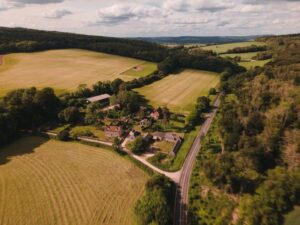
Three siblings inherit a family tract, and everyone agrees on who gets which piece until someone asks where the driveways go. Splitting land on a kitchen table sketch is easy. Getting those lines approved, recorded, and usable is a different job. A subdivision survey turns a family plan into legal parcels that each owner can build on, borrow against, or sell later.
Start the survey before anyone signs a deed. Local rules on lot size, frontage, and utilities can change the plan, and it’s easier to adjust before ownership moves. A little patience at the start avoids a lot of family friction later.
When Family Property Division Requires a Subdivision Survey
Dividing one tract into two or more new lots usually triggers platting rules at the city or county level. Many jurisdictions require a recorded plat before a new lot can be sold, permitted, or connected to utilities. Exceptions exist, and they vary by jurisdiction, lot size, and how the land is used.
Even where a plat isn’t required, a subdivision survey gives each family member a clear, measured parcel. Deeds written from rough sketches often lead to overlaps, gaps, or arguments years later. A licensed surveyor’s description is far easier to defend.
Check with the local planning office first. Ask whether your split needs a full plat, a minor plat, or another type of approval. That answer shapes the cost and timeline of everything that follows.
Establishing Proposed Lot Sizes and Boundaries for Each Family Member
Start with the outer boundary of the whole tract. The surveyor confirms corners, records, and any encroachments before drawing new lines. Errors in the parent tract carry into every new lot, so this step can’t be skipped.
Then the family’s plan meets the zoning rules. Minimum lot size, lot width, and setbacks can limit where the new lines go. Terrain matters too, since creeks, flood areas, and steep spots can make one lot far less usable than another.
Fair doesn’t always mean equal acreage. Two acres with road frontage may be worth more than three acres in the back. Talk through value and use as a family, then let the surveyor test the lines against the rules before anyone commits.
Planning Road Frontage, Legal Access, and Shared Utility Connections
Every new lot needs a legal way to reach a public road. Many jurisdictions require minimum road frontage for each lot, and a lot without it may not be approved as drawn. Common fixes include flag-shaped lots with a narrow strip to the road, shared driveways, or recorded access easements, though not every jurisdiction allows each option.
Utilities need the same planning. Each lot may need its own water meter, sewer tap or septic system, and electric service. Where lines cross one lot to serve another, a recorded utility easement protects both owners.
Write shared arrangements down. A shared driveway agreement should cover maintenance, repairs, and what happens if a lot is sold. Family understandings fade over time. Recorded documents don’t.
Preparing Subdivision Plats for Local Approval in Mesquite
Approval starts with a plat prepared from the survey data. It shows each new lot with dimensions, areas, easements, setbacks, and access, along with the surveyor’s seal and owner signatures. Every line on it comes from the subdivision survey, so accuracy at this stage carries through the whole process.
Review often includes planning staff, engineering, and sometimes utility providers or the fire department. Expect comments and at least one round of revisions. Some plats also go to a planning commission for a vote.
Requirements vary by jurisdiction, lot count, and whether new streets or utilities are involved. A simple split may move quickly, while plats that need engineering plans take longer. Confirm the submittal checklist and fees with the planning office before the surveyor finalizes the drawing.
Finalizing New Parcel Records Before Transferring Family Ownership
Once the plat is approved and recorded, each new lot has its own legal description. Deeds can then transfer each parcel to the right family member. A real estate attorney or title company should prepare those deeds so they match the recorded plat exactly.
Tax records usually update after recording, with new account numbers for each lot. Check that the tax office shows the right owner and acreage. Any mortgage on the original tract may need a partial release before lots can transfer free and clear.
Keep copies of the subdivision survey, the recorded plat, and all deeds together. Future buyers, lenders, and builders will ask for them. A complete file saves the next generation a lot of digging.
Frequently Asked Questions
Is a subdivision survey required when dividing land among family members?
In most places, creating new lots requires a recorded plat, and a subdivision survey is the basis for that plat. Some jurisdictions have exceptions, and they vary widely. Even when an exception applies, a survey gives each owner a clear legal description. Confirm the rules with your local planning office before dividing anything.
Can inherited family land be divided without selling the property?
Yes, heirs can divide land among themselves through platting and deeds without selling to an outside buyer. The process usually involves a survey, a plat, local approval, and new deeds for each parcel. Probate or estate issues may need to be settled first. An attorney can confirm when the heirs have authority to sign.
What happens if one proposed lot has no direct road access?
The lot may not be approved as drawn if local rules require road frontage. Options can include redrawing the lines, creating a flag-shaped lot, or recording an access easement across another lot. Not every jurisdiction allows each option. Work this out with the surveyor and planning staff before the plat is submitted.
Does each new family parcel need separate utility connections?
Many jurisdictions and utility providers expect each lot to have its own water, sewer or septic, and electric service. Shared connections may be allowed in some cases with recorded easements and agreements. Rules vary by provider and municipality. Ask early, since adding services after approval can be costly.
How long does the subdivision approval process take in Mesquite, Texas?
Timelines vary with the number of lots, the type of plat, and whether engineering plans are needed. A simple split can move in a matter of weeks once a complete application is filed, while larger projects can take several months. Missing items and revisions are the most common causes of delay. Ask the planning office for current review schedules before setting any deadlines tied to the transfer.